
Can Veneers Stain or Change Color Over Time?
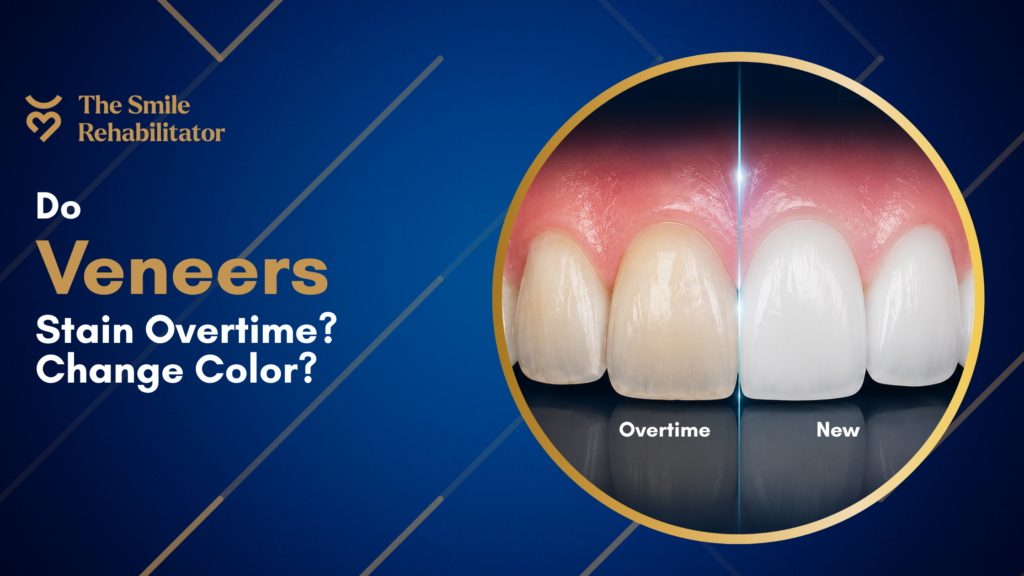
“Doctor, I want a smile that stays white for year’s not just for a few months.”
This is one of the most common concerns I hear from patients who are considering veneers. It doesn’t matter whether they’re preparing for a wedding, looking to improve their confidence at work, or simply tired of hiding their smile almost everyone asks the same question:
“Will my veneers stay white forever?”
“Can my venners stain or change color?“
It’s a fair concern. After all, you’ve probably seen natural teeth become darker over time because of coffee, tea, wine, smoking, or simply aging. Naturally, you wonder if veneers will go through the same process & can veneers stain or change color.
The good news is that high-quality veneers are designed to maintain their appearance for many years . However, the answer isn’t simply yes or no. It depends on the type of veneer you choose, how you care for it, and your everyday habits.
As a cosmetic dentist, my goal isn’t just to give you a beautiful smile on the day your veneers are placed. I want you to enjoy that smile for many years to come. Let’s understand exactly how veneers behave over time.
Table of Contents
Do Veneers Actually Stain?
The answer depends on the material.
Do Porcelain Veneers Stain?
Porcelain veneers are incredibly resistant to staining.Unlike natural enamel, porcelain has an extremely smooth, non-porous surface. This means pigments from coffee, tea, turmeric, wine, or colored foods have a much harder time penetrating the material.
If you’ve invested in porcelain veneers, you can expect them to maintain their brightness for many years with proper care.
That doesn’t mean they’re completely immune to discoloration.
Sometimes what patients believe is staining is actually:
- Plaque or tartar buildup around the edges
- Surface deposits from food and beverages
- Stains developing on the natural teeth next to the veneers
- Aging dental restorations elsewhere in the mouth
In many cases, a professional cleaning restores the smile’s brightness.
Can Composite Veneers Change Color?
Composite veneers are different.
Although they look beautiful when first placed, composite resin is naturally more porous than porcelain. Over time, it can absorb pigments from dark-colored foods and beverages.
Patients who frequently consume:
- Coffee
- Tea
- Red wine
- Cola
- Curry
- Tobacco
may notice gradual discoloration after several years.
The good news is that composite veneers can often be polished or repaired, depending on the severity of the staining.
When Can Veneers Stain Over Time?
Many people assume the veneer itself has changed color, but that’s not always true.
Here are some of the most common reasons.
1. Surface Stains
Just like natural teeth, plaque and food particles can accumulate if oral hygiene isn’t maintained.
Regular brushing, flossing, and professional cleanings help prevent this.
2. The Natural Teeth Change Color
One situation I frequently explain to patients is this:
Your porcelain veneers remain the same shade, while your natural teeth gradually become darker with age.
This creates the illusion that the veneers have changed color, when in reality, they’re simply staying as bright as they were on the day they were placed.
3. Aging Composite Material
Composite veneers naturally experience slight wear over the years.
Small scratches on the surface can trap pigments more easily, making them appear dull or yellow.
4. Smoking
Smoking affects almost every aspect of oral health.
Nicotine and tar create stubborn stains that accumulate on both natural teeth and composite veneers. Even porcelain veneers may develop superficial deposits that require professional cleaning.
Can Coffee and Tea Stain Veneers?

This is probably the question I hear most often after can venners stain or change color.
If you have porcelain veneers, your morning coffee isn’t something you need to fear.
The porcelain itself is highly stain resistant.
However, drinking multiple cups of coffee every day without rinsing your mouth or maintaining good oral hygiene can lead to staining around the margins where the veneer meets the natural tooth.
If you have composite veneers, frequent coffee or tea consumption can gradually cause discoloration.
That doesn’t mean you need to stop enjoying your favorite drink.
Simple habits like drinking water afterward or using a straw for iced beverages can help reduce staining.
Can You Whiten Veneers?
This often surprises patients.
Traditional teeth whitening products do not whiten veneers.
Whether you use whitening toothpaste, whitening strips, or professional bleaching treatments, the color of porcelain veneers remains unchanged.
That’s actually one of their advantages they’re color stable.
However, if your natural teeth become darker while your veneers stay bright, your smile may begin to look uneven.
That’s why I carefully select the shade of veneers during treatment and discuss how your smile may change over time.
How Long Can Veneers Stay White?
With proper care:
Porcelain Veneers
Typically maintain their appearance for 10-15 years or even longer.
Composite Veneers
Usually remain attractive for around 4–7 years, depending on oral hygiene, diet, and daily habits.
Longevity varies from one patient to another, but maintenance plays a huge role.
How I Help Patients Keep Their Veneers Looking New
When I complete a veneer case, my work doesn’t end there.
I always guide patients on how to protect their investment.
Some of the advice I routinely give includes:
- Brush twice daily using a soft-bristled toothbrush.
- Floss every day.
- Visit your dentist regularly for professional cleaning.
- Avoid using your teeth to open packages.
- Wear a night guard if you grind your teeth.
- Reduce tobacco use whenever possible.
- Rinse your mouth after consuming coffee, tea, or wine.
These small habits make a significant difference over the years & help maintain the veneers.
Signs Your Veneers May Need Attention
While veneers are durable, they aren’t designed to last forever.
You should schedule an evaluation if you notice:
- Chipping or cracks
- Rough edges
- Discoloration around the margins
- Gum recession exposing the edge of the veneer
- Looseness
- A change in your bite
Addressing these issues early often prevents more extensive treatment later.
Frequently Asked Questions
1.Do porcelain veneers turn yellow?
Porcelain veneers are highly resistant to staining and generally maintain their original shade for many years. Any discoloration is often due to surface deposits or changes in the surrounding natural teeth.
2. Can composite veneers stain?
Yes. Composite resin is more porous than porcelain and can gradually absorb stains from coffee, tea, smoking, and colored foods.
3. Can whitening toothpaste whiten veneers?
No. Whitening toothpaste can remove some surface deposits but cannot change the actual shade of veneers.
4.Can stained veneers be cleaned?
In many cases, yes. Professional polishing or cleaning can remove superficial stains. Your dentist can determine whether polishing, repair, or replacement is the best option.
5. How can I keep my veneers white?
Maintain excellent oral hygiene, attend regular dental check-ups, avoid smoking, and rinse your mouth after consuming staining foods or beverages.
A Final Thought
One of the most rewarding moments in my practice is seeing a patient smile confidently without hesitation. Veneers can transform more than just your teeth, they often restore confidence, improve self-esteem, and change the way people feel about themselves.
But like any investment in your health, veneers deserve proper care.
If you’re considering veneers or you’ve noticed changes in the appearance of your existing ones, don’t rely on online guesses or temporary fixes. Every smile is unique, and the right advice starts with understanding your specific situation.
During a consultation, I’ll evaluate your teeth, discuss your goals, explain whether porcelain or composite veneers are the better choice for you, and create a treatment plan that’s designed to look natural and last for years.
Your smile should look just as confident years from now as it does on the day your veneers are placed and I’d be happy to help you achieve exactly that.
Book your consultation today, and let’s create a smile you’ll feel proud to share every single day.

