
How to Care for Your Dental Implants for Long-Lasting Results
Table of Contents
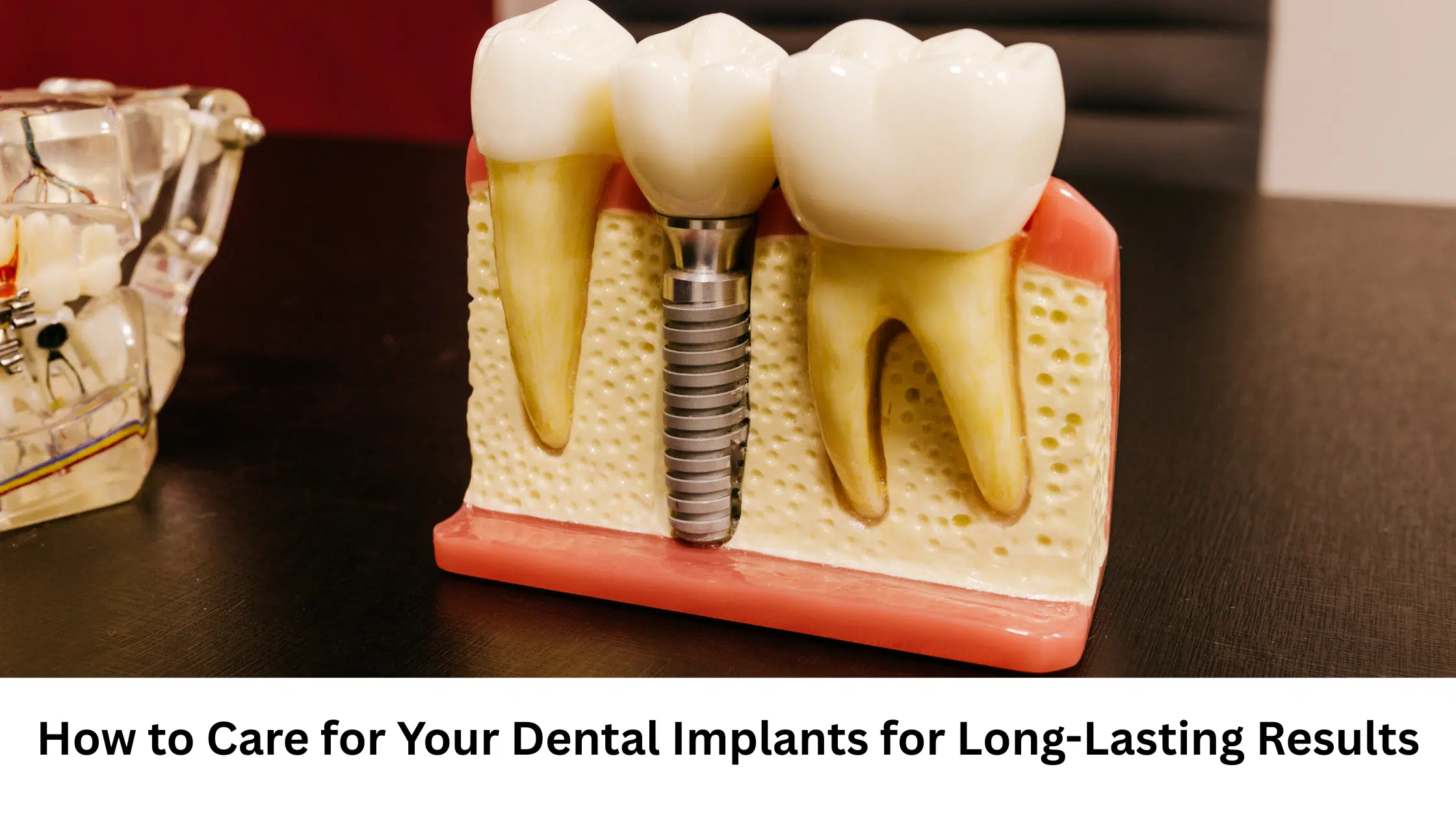
Dental implants are a popular and highly effective solution for replacing missing teeth, offering both functional and aesthetic benefits. Unlike dentures or bridges, dental implants are surgically placed into the jawbone, acting as a sturdy foundation for artificial teeth. With their natural look and feel, dental implants have become a preferred choice for restoring smiles.
However, investing in dental implants is just the first step-proper dental implant care is essential to protect that investment. Just like natural teeth, implants require a consistent and thorough oral hygiene routine to prevent complications such as infection, gum disease, or implant failure.
With good daily habits and regular dental check-ups, dental implants can last 15 years or more, and in many cases, even a lifetime. This guide will walk you through the best practices for caring for your dental implants to help ensure long-lasting results and a healthy smile for years to come.
Why Caring for Dental Implants is Crucial
Proper care and maintenance of your dental implants are vital for ensuring their longevity and protecting your overall oral health. While dental implants are durable and resistant to decay, they are not immune to complications-especially when implant maintenance is neglected.
One of the most significant risks of poor dental implant care is peri-implantitis, a form of gum disease that affects the tissue surrounding the implant. If left untreated, this condition can lead to inflammation, bone loss, and even implant failure. Infections and gum recession are also common consequences of inadequate oral hygiene around implants.
Beyond preserving the implant itself, good oral hygiene habits contribute to a healthier mouth overall. A clean oral environment reduces the risk of plaque buildup, bad breath, and bacterial infections. This is especially important since dental implants are closely connected to your jawbone and surrounding tissues.
By staying consistent with implant maintenance and prioritizing oral care, you not only protect your implants but also support the health of your entire mouth-keeping your smile strong and functional for many years.
Daily Dental Implant Care Routine
Establishing a consistent daily routine is key to successful dental implant care. While implants are not prone to cavities like natural teeth, they still need to be kept clean to prevent gum disease and ensure long-term success. Here’s how to maintain excellent oral hygiene and keep your implants healthy.
1. Brushing Techniques for Implants
Brush your teeth at least twice a day using gentle, circular motions. Focus on cleaning around the implant crown and gumline to remove plaque and food particles. Avoid aggressive scrubbing, which can irritate the gums and lead to recession around the implant.
2. Choosing the Right Toothbrush and Toothpaste
A soft-bristled manual or electric toothbrush is best for caring for dental implants. Electric toothbrushes with pressure sensors are particularly effective, as they clean thoroughly without damaging surrounding tissue. Use a low-abrasive toothpaste without harsh ingredients like baking soda, which can wear down the implant’s surface or irritate your gums.
3. Flossing and Using Interdental Brushes
Floss daily with implant-specific or waxed dental floss to clean between the implant and surrounding teeth. For added protection, consider using interdental brushes or water flossers, which are excellent for cleaning hard-to-reach areas around the implant. These tools help remove plaque and prevent gum inflammation, a critical part of dental implant care.
Maintaining a diligent oral hygiene routine is one of the most important things you can do when caring for dental implants. These simple daily steps go a long way in ensuring your implants stay clean, functional, and long-lasting.
Foods and Habits to Avoid
Practicing mindful habits and making smart dietary choices are essential parts of effective aftercare for dental implants. Certain foods and lifestyle behaviors can compromise the health and stability of your implants, even if you’re diligent about daily cleaning.
1. Avoid Hard, Sticky, and Sugary Foods
While dental implants are strong, they are not indestructible. Hard foods like ice, popcorn kernels, hard candies, and nuts can chip or crack the crown or damage the surrounding gum tissue. Sticky foods such as caramel and chewing gum may cling to the implant area, increasing the risk of plaque buildup and infection. Likewise, sugary snacks feed harmful bacteria, potentially leading to gum inflammation that threatens implant success.
2. The Risks of Smoking
Smoking is one of the most harmful habits when it comes to aftercare for dental implants. Nicotine reduces blood flow to the gums, impairing healing and increasing the risk of infection and implant failure. Studies show that smokers are significantly more likely to experience implant complications than non-smokers. For the best outcomes, quitting tobacco entirely is strongly recommended.
3. Teeth Grinding (Bruxism) and Mouthguard Use
If you grind your teeth at night-known as bruxism-you may be putting excessive pressure on your dental implants. Over time, this can lead to loosening or even damage to the implant or surrounding bone. Wearing a custom nightguard can help protect both your implants and natural teeth from unnecessary stress.
Incorporating these precautions into your lifestyle is a key component of successful aftercare for dental implants. By avoiding harmful foods and habits, you significantly reduce the risk of complications and support long-term implant success.
Importance of Regular Dental Check-Ups
Even with excellent at-home care, regular dental check-ups are essential for long-term implant maintenance and ensuring the longevity of your dental implants. These visits allow your dentist to monitor your oral health, perform professional cleanings, and detect potential issues early-before they become serious problems.
1. Professional Cleanings and Early Detection
Plaque and bacteria can still accumulate around your implants, especially in areas that are difficult to reach at home. During professional cleanings, your dental team uses special tools to gently remove buildup around the implant and gumline without damaging the implant surface. Routine check-ups also allow for the early detection of problems such as gum inflammation, recession, or signs of peri-implantitis-ensuring swift intervention and preserving the health of your implants.
2. X-Rays to Monitor Implant Stability
X-rays are a crucial tool in ongoing implant maintenance. They help your dentist evaluate the health of the jawbone and ensure that the implant remains properly integrated. X-rays can also reveal any hidden issues, such as bone loss or small fractures, that might compromise the longevity of your dental implants.
3. Recommended Frequency of Visits
For most patients with dental implants, it’s recommended to visit the dentist every six months. However, if you have a history of gum disease, smoke, or have other risk factors, your dentist may suggest more frequent visits to closely monitor your implant health and provide additional support.
Regular dental check-ups are a proactive way to protect your investment and support the long-term success of your dental implants. They’re not just about cleanings-they’re a vital part of ongoing care and prevention.
Signs Your Dental Implants Need Attention
While dental implants are designed to be strong and long-lasting, it’s important to stay alert to any unusual symptoms that may indicate a problem. Early recognition of these warning signs can help prevent complications and protect your overall oral health.
1. Pain, Swelling, or Bleeding
Some discomfort is normal immediately after implant surgery, but persistent or worsening pain, swelling, or bleeding-especially weeks or months later-could indicate infection or gum inflammation. These symptoms should not be ignored, as they may be early signs of peri-implantitis or other underlying issues.
2. Loosening of the Implant
A stable dental implant should feel just like a natural tooth. If your implant feels loose or shifts slightly when you bite or speak, it could be due to bone loss, implant failure, or a problem with the surrounding prosthetic. Any movement is a red flag and needs immediate evaluation.
3. Bad Breath or Unpleasant Taste
Chronic bad breath or a persistent bad taste in your mouth may signal infection near the implant site. Bacteria and pus can accumulate if the area isn’t properly cleaned or if the gum tissue becomes inflamed, leading to an unpleasant odor or taste.
4. When to Call Your Dentist
If you experience any of these symptoms-or anything unusual such as a fever, gum recession, or discomfort when chewing-it’s important to contact your dentist right away. Prompt treatment can prevent further complications and help preserve the implant.
Staying aware of these signs and seeking timely care is a key part of dental implant maintenance. The sooner an issue is addressed, the better the chance of saving your implant and maintaining your oral health.
Long-Term Strategies for Dental Implant Longevity
Achieving dental implant longevity goes beyond the initial healing period-it’s about building lasting habits that support your oral and overall health. With the right lifestyle choices, your implants can remain strong, functional, and attractive for decades. Here are key long-term strategies for caring for dental implants:
1. Eat a Balanced, Nutrient-Rich Diet
A healthy diet plays a vital role in maintaining strong gums and bone density around the implant. Incorporate foods rich in calcium, vitamin D, and other essential nutrients to support jawbone health and boost your immune system. Leafy greens, dairy products, lean proteins, and fresh fruits are excellent choices. Avoid excessive sugar, which can feed harmful bacteria and increase the risk of gum disease.
2. Maintain a Consistent Oral Care Routine
Brushing at least twice a day, flossing daily, and using antimicrobial mouthwash help keep your mouth clean and free of harmful bacteria. This routine is essential for preventing plaque buildup around the implant and preserving gum health. A consistent commitment to caring for dental implants significantly reduces the risk of infection and implant failure.
3. Break Bad Habits
Certain habits can damage both natural teeth and implants. Avoid nail biting, chewing ice, opening packages with your teeth, or grinding your teeth-these actions can place excessive pressure on the implant and cause cracks or loosening. If you grind your teeth at night, consider using a custom mouthguard for protection.
Focusing on these long-term practices ensures that your dental implants remain secure and functional, allowing you to enjoy a confident, healthy smile for many years. Successful dental implant longevity is within reach when supported by smart choices and consistent care.
Conclusion
Caring for your dental implants is essential not only for maintaining a beautiful smile but also for ensuring their long-term success. With the right daily routine, mindful lifestyle choices, and regular dental visits, you can protect your investment and enjoy the many benefits of dental implants for years to come.
Remember, dental implant care doesn’t stop after the procedure. Consistency is key-brushing, flossing, avoiding harmful habits, and keeping up with check-ups all play a vital role in your implant’s health and function.
With expert support and a little daily attention, your implants can truly stand the test of time.
Current Workplace Locations:
Greens
Roze Biohealth clinic